

If you speak to anyone dealing with uneven skin tone or sudden sensitivity, there is usually one common factor that shows up over time. Sun exposure that was never taken seriously in the beginning.
It rarely starts with something obvious. No dramatic sunburn. No immediate damage.
Just small signs. Skin that looks slightly flushed after stepping out. A patch that appears darker after a few weeks. A mild reaction that was never there before.
These are not random changes. They are patterns.
Using the best sunscreen for face early can prevent most of these concerns from building up. Not instantly, but consistently over time.
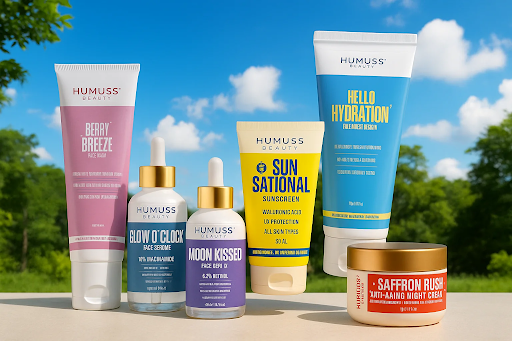
Humuss Beauty approaches skin care with this long-term view. Our products are designed for daily use, because authentic results come from what you do regularly, not occasionally.
What Daily Sun Exposure Does to Your Skin
There is a common belief that sunscreen is mainly for avoiding tanning. That is only a small part of the picture.
Ultraviolet exposure affects how your skin functions:
- It triggers inflammation, which often appears as redness
- It increases melanin production, leading to hyperpigmentation
- It weakens the outer skin barrier, especially in dry skin
- It can lead to sensitivity reactions that feel like sun allergy
These changes are gradual. That is why they are often ignored until they become visible.
The best sunscreen for face helps reduce this ongoing stress on your skin before it turns into something harder to manage.
The Skin Problems Most People Link Back to Sun Later
Redness is Often the First Signal
Skin that turns slightly pink or warm after sun exposure is reacting to internal stress. Repeated exposure without protection can make this response stronger and more frequent.
Hyperpigmentation Builds Slowly
Pigmentation is not just about dark spots. It is your skin trying to protect itself. When this response is triggered repeatedly, the pigment becomes more noticeable and longer lasting.
Sun Allergy is a Barrier Issue
When skin starts reacting with itching, bumps, or irritation in sunlight, it is often a sign that the barrier is compromised. This is more common in people with dry or sensitive skin.
A well-suited sunscreen for dry skin helps by protecting and supporting the skin barrier at the same time.
What to Look for in the Best Sunscreen for Face
There is no single product that works for everyone. But there are certain markers that indicate a sunscreen is worth using daily.
The best sunscreen for face should:
- Offer broad-spectrum protection against UVA and UVB
- Feel comfortable enough for everyday wear
- Not leave your skin feeling dry after a few hours
- Work well with your existing routine
If a product feels heavy, sticky, or irritating, it usually gets skipped. Consistency drops. Protection becomes inconsistent.
That is where most skin issues begin.
How to Choose the Best Sunscreen for Dry Skin
Dry skin needs more than protection. It needs support throughout the day.
Here is a simple breakdown:
|
Skin Situation |
What to Choose |
Why It Helps |
|
Skin feels tight outdoors |
Hydrating, cream-based sunscreen |
Maintains moisture levels |
|
Skin reacts easily |
Gentle, minimal-ingredient formula |
Reduces irritation risk |
|
Uneven tone or spots |
SPF 30 or higher with strong UVA protection |
Prevents pigment buildup |
|
Discomfort after application |
Soft, blendable texture |
Encourages daily use |
The best sunscreen for dry skin should feel like something your skin accepts, not resists.
A Daily Routine That is Easy to Maintain
Consistency matters more than complexity. This routine works because it is simple enough to follow every day.
Cleanse
↓
Moisturize
↓
Apply the best sunscreen for face
↓
Allow it to settle
↓
Step out
↓
Reapply when needed
The above process takes less than five minutes, but the impact shows over months.
Midway Insight: When Sunscreen is Not Giving Results
If you are already using sunscreen and still noticing tanning, dryness, or uneven tone, the issue is usually one of these:
- The product is not suited to your skin type
- Application is not sufficient
- Reapplication is being skipped
The best sunscreen for face should feel natural enough that you do not think twice before using it.
Humuss Beauty focuses on formulations that balance protection with comfort so daily use does not feel like effort.
If you are unsure what works best for your skin, you can contact us for guidance based on your skin type and concerns.
Mistakes That Quietly Reduce Protection
These are practical issues seen in real routines:
- Treating sunscreen as optional on non-sunny days
- Applying a very small amount
- Not reapplying during extended exposure
- Ignoring areas like neck and jawline
Correcting these small gaps often improves results without changing the product itself.
Top Changes that are Visible after Consistent Use of Sunscreen
With regular use of the best sunscreen for face, you may notice the following:
- More stable and even skin tone
- Fewer new pigmentation concerns
- Reduced sensitivity after sun exposure
- Better overall skin comfort
For those with dryness, a suitable sunscreen for dry skin also helps maintain hydration, reducing irritation triggers.
Final Perspective
Skin concerns linked to sun exposure are rarely sudden. They build slowly, and that is what makes them preventable.
A simple habit done consistently is more effective than multiple products used occasionally.
If you are still exploring what suits your skin, especially when looking for the best sunscreen for dry skin, it helps to get guidance instead of relying on trial and error.
Good skin care does not need to feel complicated. It needs to be done regularly.
FAQs
1. Do I really need sunscreen if I stay indoors most of the day?
Yes, more than you might think. Sunlight still reaches you through windows, and that exposure adds up over time. If you sit near natural light or step out even briefly, using the best sunscreen for face daily helps prevent slow skin damage that is easy to miss at first.
2. Why does my skin still get darker even after using sunscreen?
This usually happens when the sunscreen is either not enough or not applied properly. Most people use less than required or skip reapplication. Sometimes the product itself is not suitable. Switching to the best sunscreen for face that suits your skin type and applying it evenly can make a visible difference.
3. Can sunscreen make dry skin feel worse?
It can, if the formula is too matte or not hydrating enough. Dry skin needs a product that protects and moisturizes at the same time. Choosing a sunscreen for dry skin with a softer, creamier texture helps keep your skin comfortable through the day.
4. How long should I wait after applying sunscreen before going outside?
Giving it a minute or two is usually enough. This allows the sunscreen to settle properly on your skin so it can work effectively. Rushing out immediately after application can reduce how evenly it protects.
5. Is it okay to skip sunscreen on cloudy or rainy days?
This is one of the most common mistakes. UV rays are still present even when the sun is not visible. Skipping sunscreen on such days can still lead to pigmentation and dullness over time. Using the best sunscreen for face daily, regardless of weather, keeps your skin consistently protected.


